
YOUR BRIGADE.
WITHOUT BUILDING ONE
THE CODE SETS THE FLOOR.
YOUR HAZARDS SET THE REQUIREMENT
OSHA’s general-industry rules require appropriate provisions for medical and emergency response, and NFPA 1710 and 1720 set expectations for how fast an effective response force should arrive. That is the floor. What your site actually needs is decided by occupancy, process hazards, and how far the nearest engine really is.
WHICH STANDARDS APPLY TO US?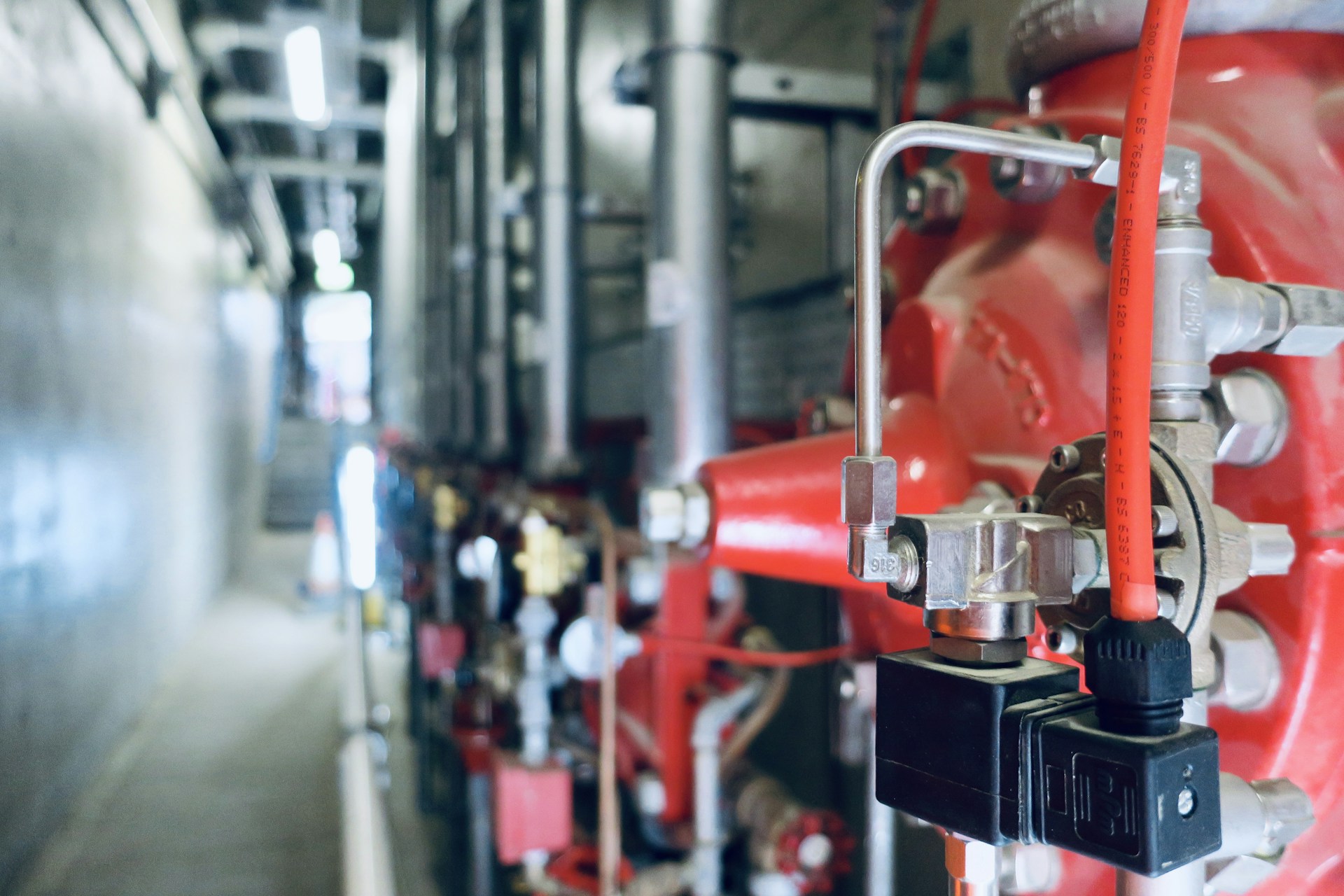
IF ANY OF THESE IS TRUE,
A REVIEW IS WARRANTED
- Access requires gates, badging, or an escort
Every control point adds minutes for a crew that has never been inside your fence before.
- A single incident would stop production
If downtime is measured in hours of lost output rather than repair cost, the math changes entirely.
- The nearest station is more than three to five road miles out
Travel time climbs fast past that mark, and it is travel time, not dispatch, that decides what you lose.
- The responding department is volunteer or combination
Turnout depends on who is available. Daytime coverage is usually the thinnest part of the week.
- First-arriving apparatus commonly runs fewer than four personnel
Below four, a crew cannot begin interior operations under the two-in/two-out rule. They wait.
TELL US THE SITE.
WE ALREADY HAVE THE PIECES
You know your gap. The question is whether anyone can close it on your timeline, to your standard, through your procurement process. Here is what we put on the ground.
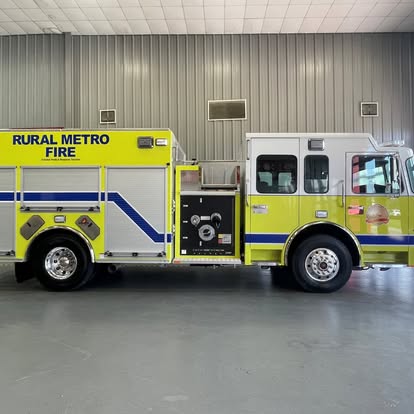
Apparatus On Site
“Our engine is years out on order.”
Contracting & Procurement
“This has to clear procurement.”
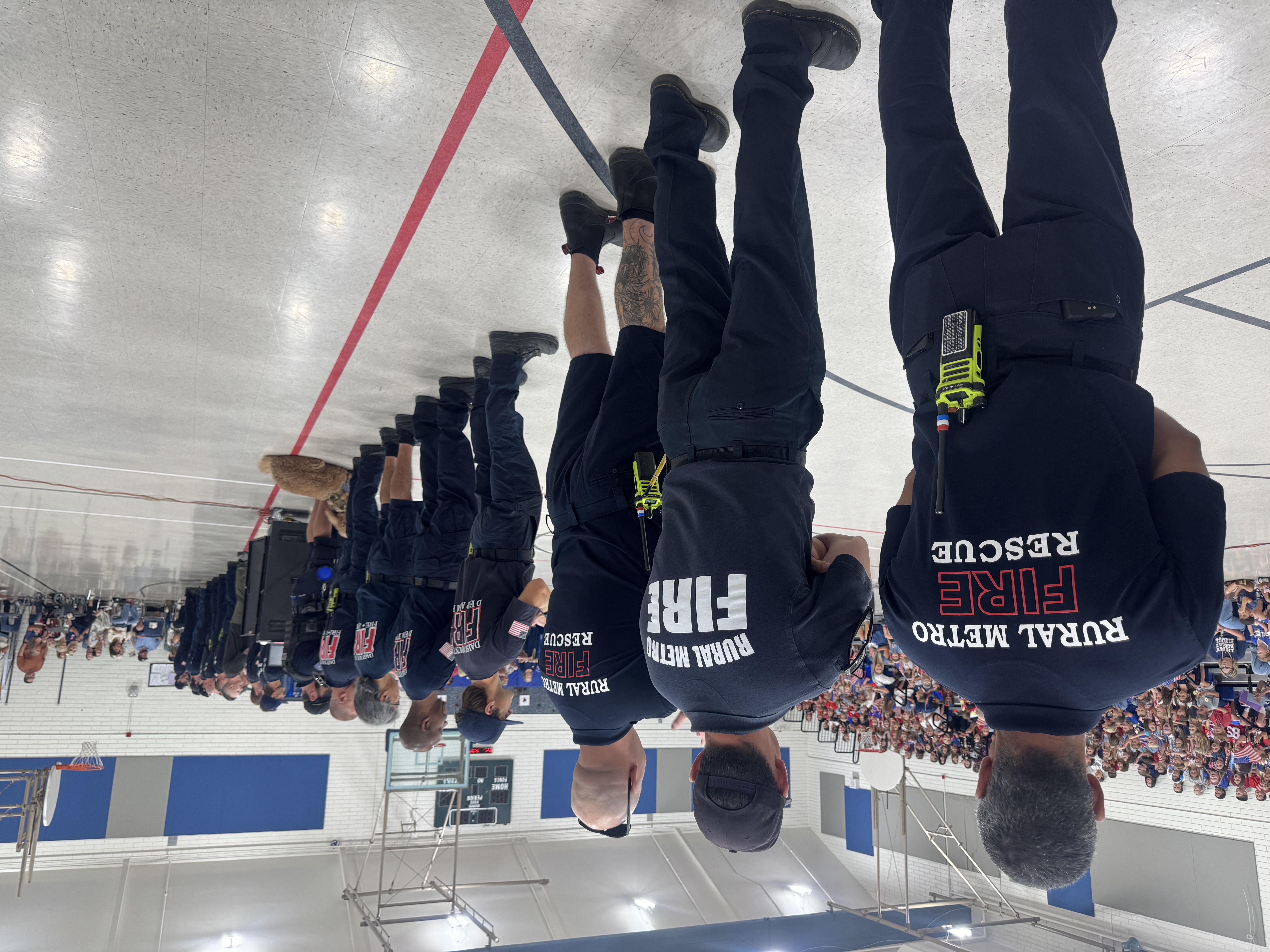
Training Your People
“Our own team needs to be trained too.”
Brigade & Staffing
“We need a brigade, not a headcount.”
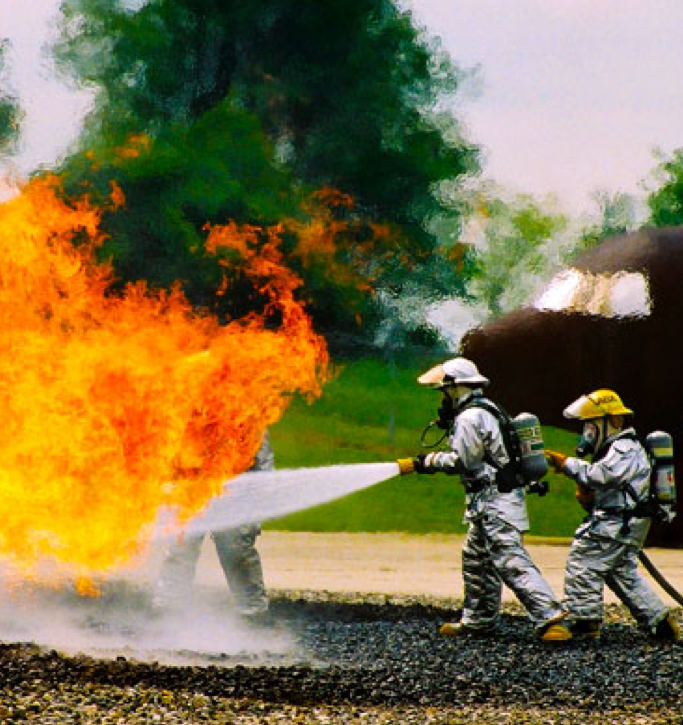
ARFF & Specialty Response
“Part 139 is our obligation, not our expertise.”
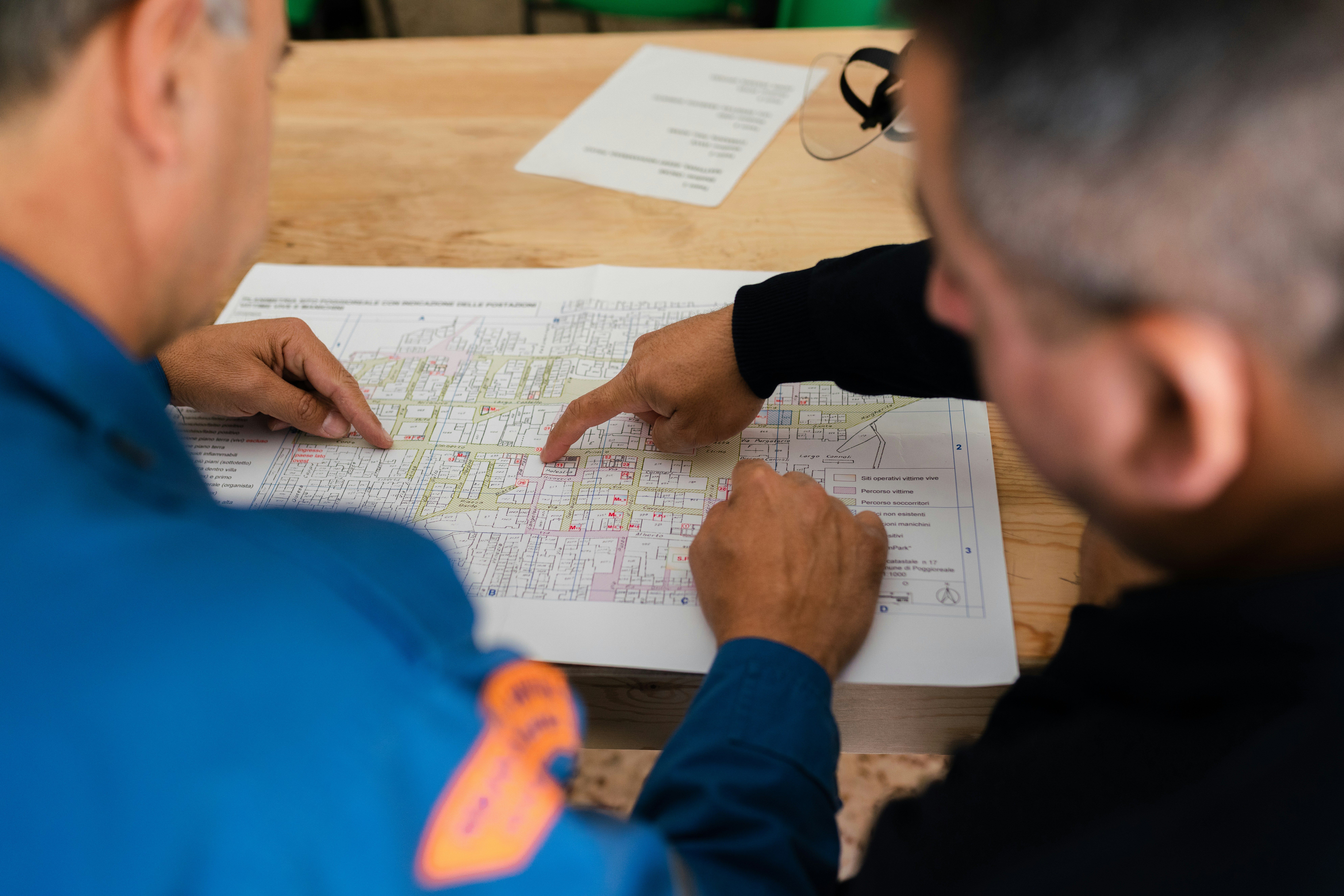
Pre-Incident Planning
“Nobody knows our site until it is burning.”
HOW IT ACTUALLY STARTS
Response analysis
What the current response actually delivers versus what your exposure requires, written down, with the standards it is measured against.
Site review
We walk the property. Occupancy, process hazards, water supply, access, existing systems, and the real drive time from the responding station.
Stand-up
Hiring, credentialing, apparatus delivery, and pre-incident planning, scheduled against your fiscal calendar, not ours.
Program design
Staffing model, apparatus, station or quarters, training plan, and the documentation your insurer and AHJ will ask for.
THE COST QUESTION, HONESTLY
On-site protection is not cheap, and it is not the right answer for every site. It earns its cost where a single incident would stop production, destroy irreplaceable assets, trigger environmental reporting, or put people at risk before a municipal engine could arrive.
Where that is not true, we will tell you. A review that ends in “your current coverage is adequate” is a useful outcome, and we would rather give you that than sell you a brigade you do not need.
SCORE YOUR SITE IN FIVE MINUTES
SIX RISK FACTORS · A READINESS TIER YOU CAN HAND TO LEADERSHIP
The assessment turns all of this into a concrete score across six risk factors, then routes you to a tailored next step for your specific site.
MORE ON INDUSTRIAL & CRITICAL SITES
HOW CAN WE HELP?
Talk with our team about your site or your community. No obligation — just a clear picture of where you stand.