75 YEARS OF
PRIVATE FIRE
HE SAW A NEIGHBOR’S HOME BURN DOWN.
HE DECIDED TO DO SOMETHING ABOUT IT
In 1948, a 22-year-old journalist named Lou Witzeman watched his neighbors’ home burn to the ground while the fire department stood by helpless. City departments couldn’t legally cross city limits. Most people would have moved on. Lou couldn’t let it go.
What Lou saw wasn’t just a tragedy. It was a gap, a fundamental failure in the idea that everyone deserves protection. He called it his “white horse” cause: the conviction that every person, regardless of where they live or whether they fall within a city’s service boundary, deserves a white horse to ride in and save the day.
On February 2, 1948, with one truck, a 30×30 station, and used furnishings, Lou launched Rural Fire Protection. It wasn’t a corporation. It wasn’t a government program. It was one man with the belief that the private sector could do what the public sector wouldn’t: reliably, professionally, and accountably.
MILESTONES
Operating in Scottsdale (population 2,000), a massive fire at the Arizona Crafts Center in April cements Rural Metro as the city’s primary fire department.
Rural Fire Protection opens with one truck, a 30×30 station, and used furnishings, born from Lou Witzeman’s conviction that everyone deserves fire protection, regardless of city boundaries.
Rural Metro acquires Metropolitan Fire, becoming the Rural/Metro Fire Department and expanding its operational footprint across the region.
Expansion into Pima County, replacing the Catalina Fire Department and bringing the private model to a new region of Arizona.
Rural Metro enters Yuma County, replacing the Tri-State Fire Department and continuing to prove that private fire protection can serve communities of every size.
Historic expansion beyond Arizona, starting with a joint operating agreement with West Knoxville Fire Department in Tennessee marks the beginning of a national footprint.
Founder Lou Witzeman appears on 60 Minutes (1978) and Good Morning America (2000), bringing national attention to the private fire protection model he built from a single truck.
Rural Metro Fire expands into southern Oregon, bringing professional private fire service to Josephine County. rmfirejoco.org becomes the community’s direct link to private fire protection: response, membership, and mutual aid.
Founder Lou Witzeman passes away, leaving behind a legacy that transformed how communities think about fire protection, proof that one person’s conviction can change an industry.
Solomon Safety Group (the rebranded successor to Brindlee Mountain Fire Apparatus) acquires Rural Metro Fire, uniting fire apparatus sales, fire services operations, and fire-sector real estate under one roof. A new chapter for America’s longest-running private fire company.
ONE FOCUS. ONE STANDARD
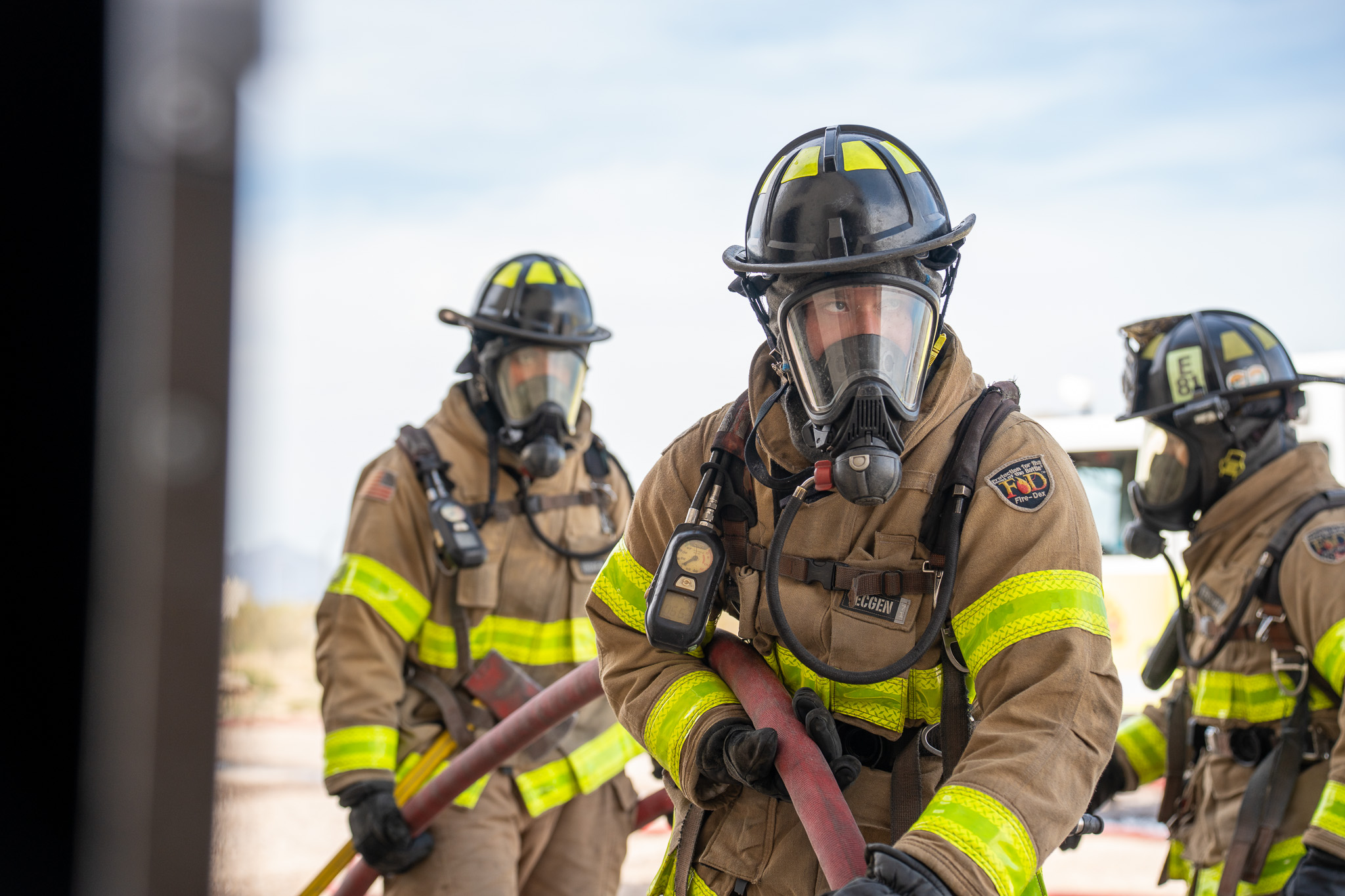
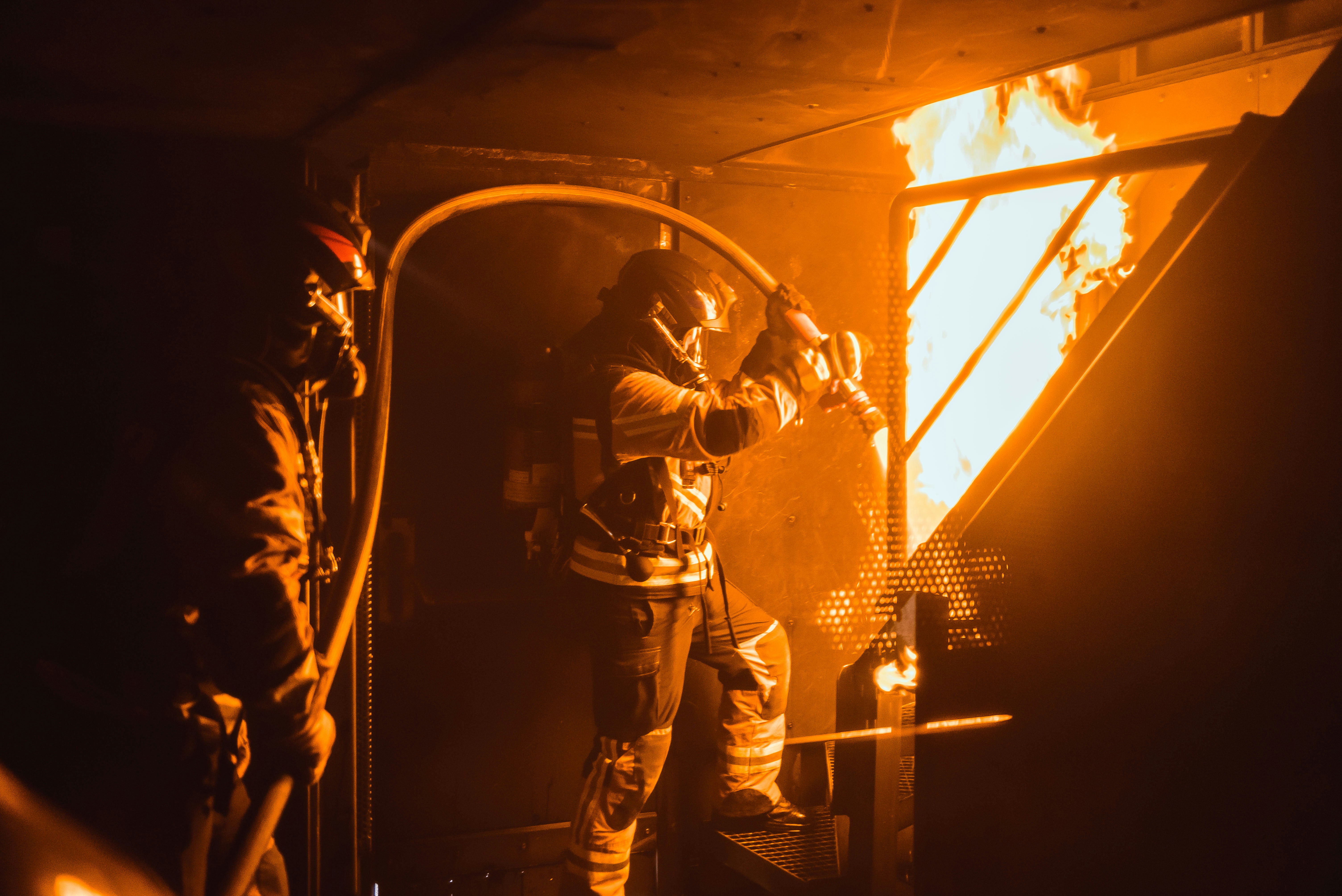
Most providers fold fire protection into a bundle of security, ambulance billing, and facilities services. We don’t. Fire suppression, emergency medical response, technical rescue, swift water operations, aircraft rescue and firefighting (ARFF), hazardous materials response, and wildland interface — the full spectrum of emergency services — is the entire business. Every training hour, every piece of apparatus, every staffing decision exists for one outcome: the right response, on scene, fast enough to matter.
The model is private. That means we’re funded through contracts and membership agreements, not tax levies — accountable to the terms of a service agreement rather than a budget cycle. Our stations are indistinguishable from any municipal station. Our firefighters hold the same NFPA and IFSAC certifications. Our apparatus is identical. The funding mechanism is what’s different — and that accountability is a feature, not a compromise.
Our approach is held to the same recognized standards used to evaluate any fire service — NFPA 1710 and 1720 (response and deployment), NFPA 1620 (pre-incident planning), NFPA 600 (facility fire brigades), NFPA 551 (fire risk assessment), and NFPA 101 (life safety), along with applicable OSHA requirements.
Fact-check before publishing: confirm the acquisition history that brought Rural Metro / Capstone into industrial fire — name and date were flagged as unconfirmed in the workshop notes.
HOW THE PRIVATE MODEL WORKS →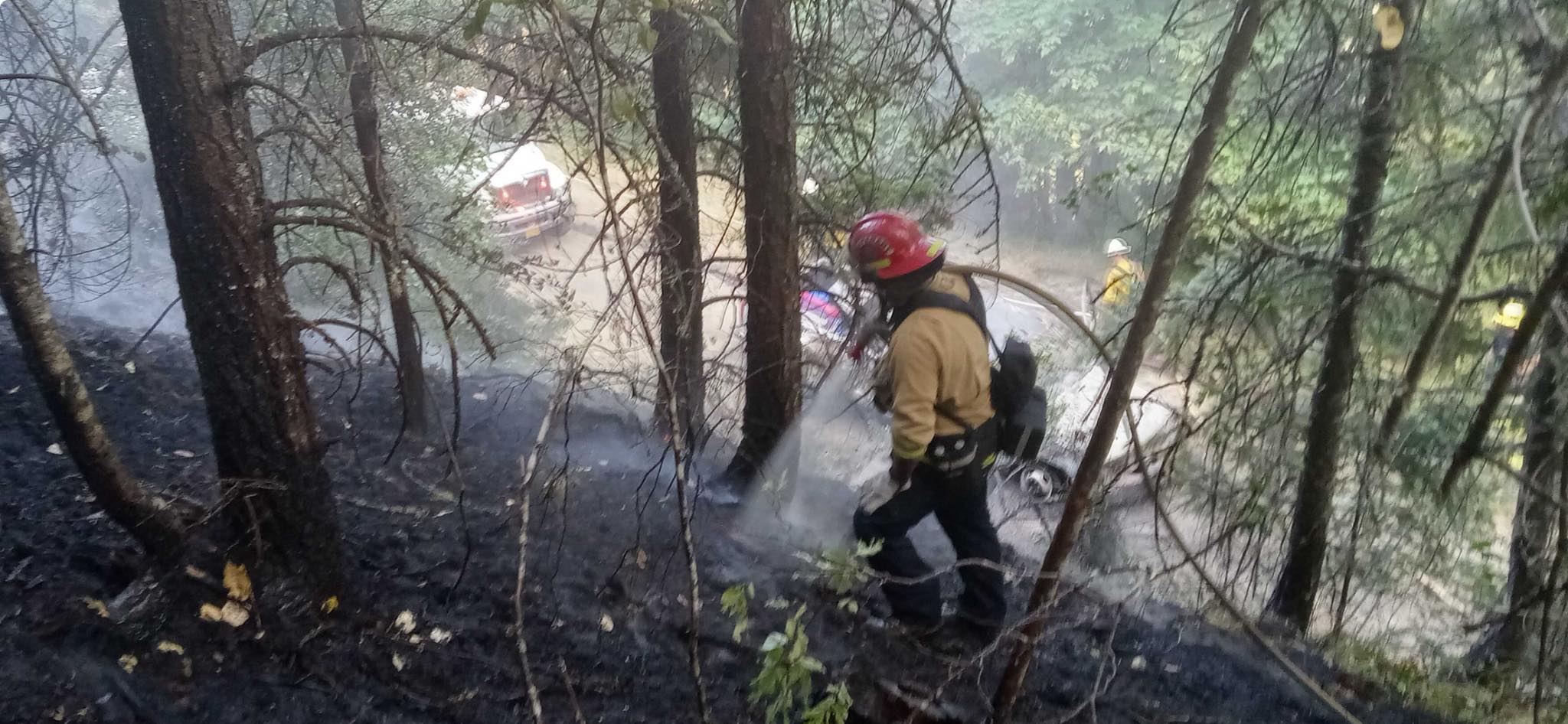
WHY THE PRIVATE MODEL WORKS
Staffed and standing by
Professional crews on duty, apparatus staged, and preplans in place — response measured in minutes on scene, not miles on a map.
A single discipline
No competing service lines. Every resource is dedicated to fire, EMS, rescue, and HazMat readiness — not spread across unrelated businesses.
National footprint
Operations across 33 states spanning industrial sites, ARFF, and community districts — with the standards and documentation to back it.
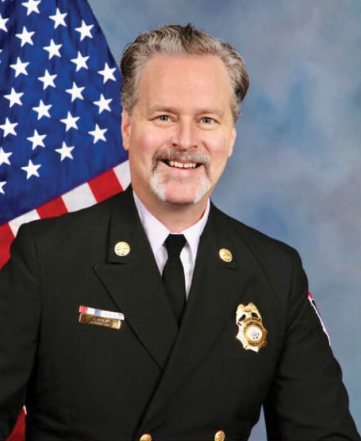
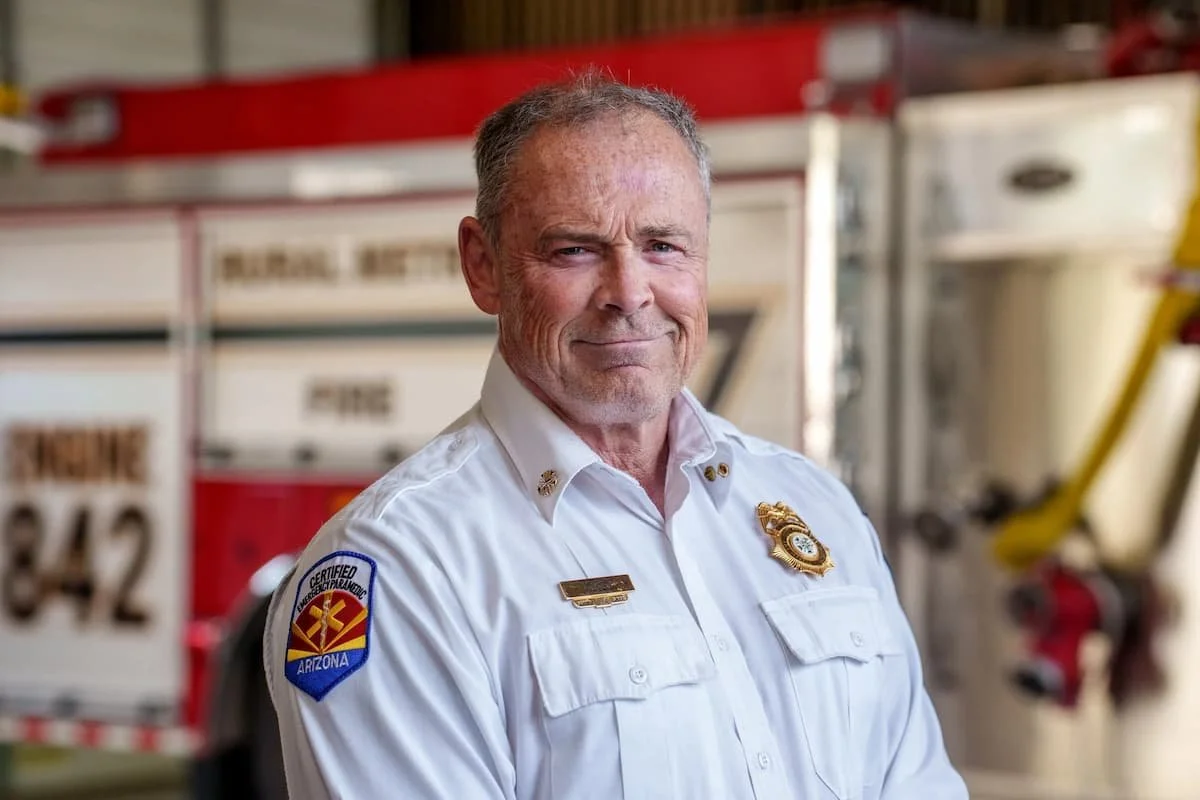
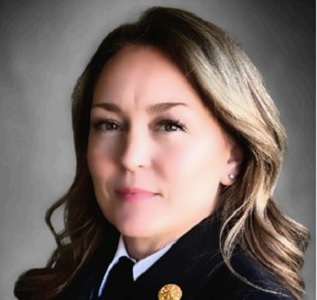
MEET THE CHIEFS
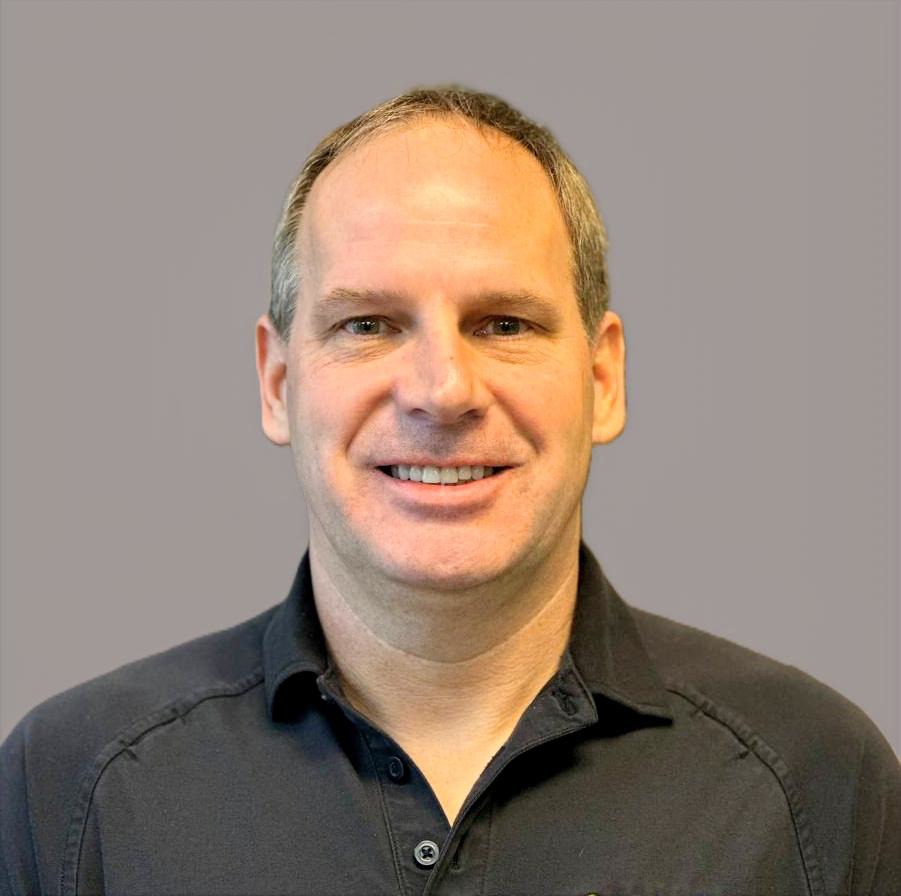 Chief Steve NelsonOperations
 Chief Jeffrey DevlinKnox County
 Chief Tim SouleCentral Arizona
 Chief Melissa HilpertYuma County
Chief roster shown for layout — confirm names, titles, and current assignments before publishing.
HOW CAN WE HELP?
Talk with our team about your site or your community. No obligation — just a clear picture of where you stand.